
Unveiling Wedding Cake Island: Sydney's Enchanting Coogee Icon
Peter Letts May 20, 2024

Sydney boat-dive guide
Diving Wedding Cake Island: Sydney’s Coogee Boat-Dive Guide
Explore the island’s approximate 5–22 metre profile, temperate reef life, conditions, experience requirements and enduring place in Coogee culture.
Wedding Cake Island is a low, wave-swept rocky island about one kilometre off Coogee Beach. For scuba divers it is a conditions-dependent boat site, with reef shelves and boulders descending from shallow water towards a sand edge at roughly 20–22 metres.
What to expect: route-dependent depths of approximately 5–22 metres, rocky shelves, walls, boulders, ledges and temperate reef growth. Wobbegongs, blue gropers, eastern blue devils, cuttlefish, leatherjackets, old wives, nudibranchs and schooling fish may be encountered, but wildlife and visibility are never guaranteed.
Its exposed offshore position means the skipper selects the safest side, entry, route and final dive site for the day’s wind, swell, current and surface traffic.
Wedding Cake Island is not a shore dive from Coogee and this guide is not a navigation plan. The live booking, skipper and Divemaster briefing remain the final authority for certification, depth, equipment, entry, ascent and pickup procedures.
Wedding Cake Island dive at a glance
These are planning ranges, not promises. The island offers several possible profiles, so two dives here can feel quite different even before the weather, visibility and marine life change.
What the underwater terrain is like
Close to the island, the reef begins in shallow water before stepping down through broken rock, boulders and ledges. Farther out, the hard reef gives way to sand at around 20–22 metres on commonly dived routes. Walls and shaded recesses support sponge, ascidian, bryozoan and soft-coral growth.
The plan should remain flexible. Surge can build near the rock, current may affect the route, and open-ocean swell can make one side unsuitable even when another side is manageable. Divers should not enter overhead recesses unless the exact feature is included in the briefing and their training, buoyancy and conditions make it appropriate.
Good buoyancy matters here. Staying clear of the bottom protects delicate growth, reduces silt and helps a buddy team move comfortably along the uneven reef. If you want to improve this skill before more demanding boat profiles, read the guide to buoyancy control.

Marine life: look into the ledges
The most memorable sightings are often found by slowing down. Shaded ledges and crevices can shelter the vividly marked eastern blue devil fish, while the open reef may hold old wives, leatherjackets, luderick, morwong, bullseyes and schooling yellowtail.
Wobbegong sharks, blue gropers, cuttlefish, octopuses and nudibranchs may also be seen. They are wild animals, so no species should be treated as a guaranteed attraction.
Shaded reef dwellers
Scan beneath ledges rather than reaching into them. Eastern blue devils, bullseyes, crayfish and resting fish may use these darker spaces.
Open-reef fish
Blue gropers, leatherjackets, old wives, morwong and luderick may move between the rock and kelp or gather near changes in the reef.
Small subjects
Sponges, ascidians, bryozoans and soft corals reward a slower look, while nudibranchs and other small invertebrates can provide the surprise of the dive.
A recovering underwater forest
Wedding Cake Island is now part of the wider story of Sydney’s recovering crayweed forests. In 2026, the NSW Government reported that Operation Crayweed restoration sites extend across locations including Wedding Cake Island, Maroubra and Dee Why, with some areas showing strong regrowth.
Crayweed creates food and shelter for reef life. Divers can help by maintaining neutral buoyancy, securing gauges and alternate air sources, avoiding contact with the reef and taking only photographs. Read the NSW Government update on Sydney’s underwater-forest restoration.
Wedding Cake Island is outside the present Bronte–Coogee Aquatic Reserve, so this guide does not describe it as a marine sanctuary or no-take zone. Normal NSW boating, fisheries and protected-species rules still apply.
Certification, equipment and safety
Wedding Cake Island is an exposed offshore boat-diving location. Depth, current, entry, ascent method and required experience depend on the selected route and the day’s conditions. A shallower profile may suit an Open Water diver only when the live listing and operator say so. Any planned profile beyond 18 metres requires Advanced Open Water certification under Abyss’s current boat-diving requirements.
A calm-looking Coogee Beach does not prove the water around the island is calm: Wedding Cake Island absorbs part of the incoming swell. The skipper must assess wind, swell direction, breaking water, current and the sea state at the actual dive site.
Confirm the listing’s certification, recent-experience and maximum-depth requirements.
Carry the required dive computer, SMB and independent audible signalling device.
Plan gas and no-decompression limits for the actual route—not the shallowest point on the reef.
Stay with your buddy and follow the stated ascent, SMB and pickup procedure.
Check the departure point and arrival time in the booking confirmation; specialised trips can differ.
The scheduled site can change
Wedding Cake Island is not available on every departure. Weather, swell, current, visibility, surface traffic or another safety consideration may require the skipper to select a different site. That flexibility is normal Sydney boat-diving practice, not a failed trip.
How to dive Wedding Cake Island with Abyss
Start with the Sydney boat-diving page to understand the current process and requirements, then use the live boat-dive calendar to compare available sites and dates. If Wedding Cake Island is listed, read the individual description carefully before booking.
Because the island is conditions-dependent, do not assume a fixed departure point, trip duration or second site from this evergreen guide. The booking confirmation and final briefing provide the details for that departure. Review the latest Sydney diving conditions as useful context, while remembering that the skipper assesses conditions at the site.
Why is it called Wedding Cake Island?
The origin of the name remains uncertain. Randwick City Council’s local-history record says local legend links it either to white water breaking over the low rocks like icing or to the pale appearance created by seabird droppings. The same record also lists Coogee Island and Gingerbread Island as other names.
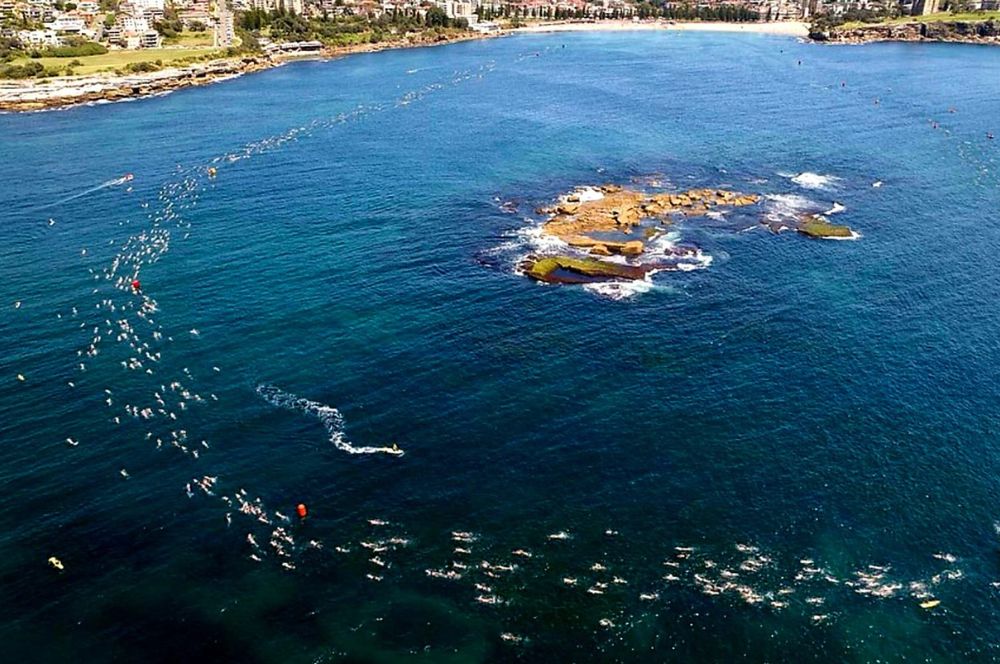
What is certain is the island’s visual role in Coogee Bay. It sits low on the horizon, with waves often breaking across it, and helps shelter Coogee Beach from some ocean swell. It should not be confused with Wedding Cake Rock, the pale sandstone formation in Royal National Park.
The Midnight Oil connection
Midnight Oil released the instrumental “Wedding Cake Island” on the four-track Bird Noises EP in 1980. The band describes it as a surf instrumental, giving the Coogee landmark a lasting place in Australian music. See the official EP track listing.
Coogee Island Challenge
The twice-yearly organised swim currently includes 800 metre, 1 kilometre and 2.4 kilometre events, with the longest course circling the island. Distances, eligibility and dates can change, so use the official Coogee Island Challenge page.
An organised swim is different
The challenge operates with event rules and water-safety arrangements. Its existence is not an invitation to attempt an independent offshore swim or a scuba entry from Coogee Beach.
A landmark beyond diving
From Coogee Beach and the coastal walk, Wedding Cake Island is part of the suburb’s everyday view. The organised ocean swim, local history and Midnight Oil connection explain why this modest rocky island is known far beyond Sydney’s dive community.
For divers, the most compelling story remains beneath the surface: temperate reef, changing conditions and a recovering crayweed habitat close to the city.
Nearby and alternative Sydney dives
Magic Point
Explore Sydney’s best-known grey nurse shark boat dive, while remembering that sharks are wild and sightings are not guaranteed. Read the Magic Point dive guide.
Gordon’s Bay
For a Coogee-area shore dive rather than an offshore boat site, compare access, conditions and the underwater nature trail in the Gordon’s Bay guide.
More Sydney dive sites
Browse the Sydney dive-site guides to compare boat and shore locations, marine-life interests and experience levels.
Frequently asked questions
Where is Wedding Cake Island?
Wedding Cake Island is a low rocky island in Coogee Bay, about one kilometre offshore from Coogee Beach in Sydney’s eastern suburbs.
Is Wedding Cake Island a shore dive or a boat dive?
It is a boat-dive site. This guide does not recommend swimming from Coogee Beach with scuba equipment. Use an experienced operator and follow the live listing, skipper and Divemaster briefing.
How deep is the Wedding Cake Island dive site?
Commonly described routes range from approximately 5 metres near the island to around 20–22 metres where reef meets sand. The exact depth depends on the selected route, tide and conditions.
What certification is required to dive Wedding Cake Island?
The individual listing is the final authority. A shallower profile may suit an Open Water diver when the operator allows it, but any planned route beyond 18 metres requires Advanced Open Water certification under Abyss’s current boat-diving rules.
What marine life might divers see?
Divers may encounter wobbegongs, blue gropers, eastern blue devils, cuttlefish, old wives, leatherjackets, luderick, morwong, schooling fish, nudibranchs and colourful reef invertebrates. Wildlife is never guaranteed.
What conditions are best for diving Wedding Cake Island?
The site needs wind, swell, current and visibility that allow a safe boat entry, dive and pickup. There is no single reliable seasonal formula; the skipper chooses the suitable side and may substitute another site when conditions require.
Why is it called Wedding Cake Island?
The true origin is uncertain. Local legend suggests that white water breaking over the low rocks resembles icing, while another explanation points to the pale appearance created by seabird droppings.
Is Wedding Cake Island the same as Wedding Cake Rock?
No. Wedding Cake Island is the rocky offshore landmark in Coogee Bay. Wedding Cake Rock is a separate pale sandstone formation in Royal National Park south of Sydney.
What is the Midnight Oil connection?
Midnight Oil released an instrumental called “Wedding Cake Island” on the band’s four-track Bird Noises EP in 1980.
Can people swim around Wedding Cake Island?
The Coogee Island Challenge includes an organised 2.4 kilometre course around the island with event rules and water-safety arrangements. Check the organiser’s current conditions and eligibility rather than treating it as an independent swim plan.
Sources and further reading
Randwick City Council: Wedding Cake Island local-history record
Randwick City Council: Coogee Beach information and safety
NSW Government: restoring Sydney’s underwater forests
NSW Marine Estate: Bronte–Coogee Aquatic Reserve boundary
Check current Sydney boat dives
Wedding Cake Island is not available on every departure. Use the live calendar to compare the planned site, depth, certification and places, and read the individual listing before booking.

 Trusted by Sydney divers