
Dive Against Debris Diver
Peter Letts Sep 22, 2022
Ocean conservation through citizen science
PADI Dive Against Debris: How Underwater Surveys Work
Discover how divers can turn an underwater clean-up into useful information that supports marine research and better waste policy.
Marine debris can injure wildlife, damage habitats and remain underwater for years. Divers are in a unique position to find rubbish that is hidden below the surface—and Dive Against Debris turns those observations into structured citizen-science data.
More Than an Underwater Clean-Up
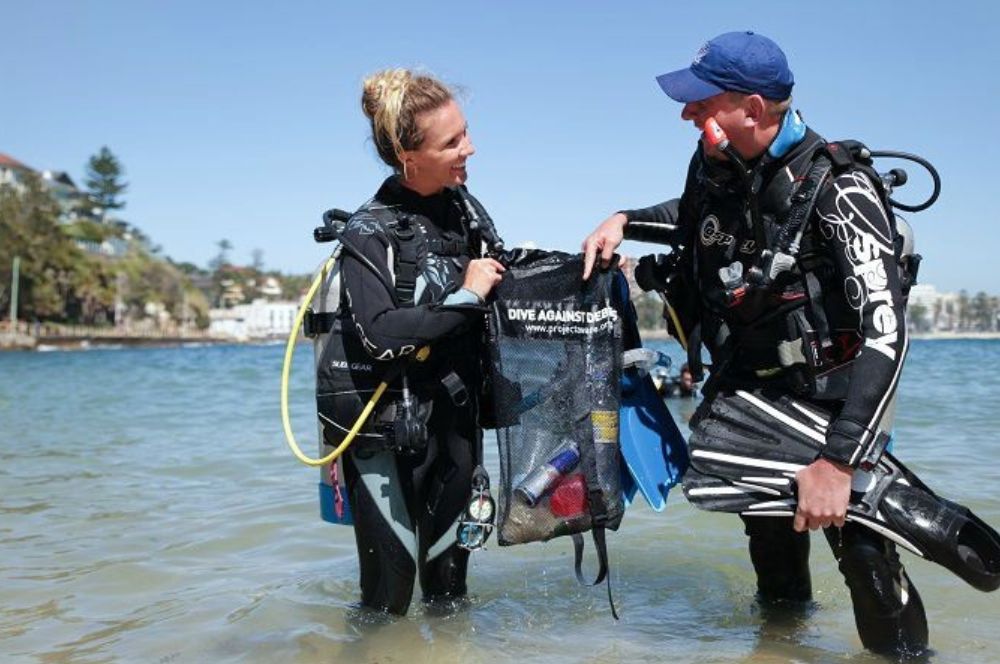
PADI Dive Against Debris is a PADI AWARE Foundation citizen-science program. Participating divers safely collect marine debris from the seafloor, identify and record what they find, and submit the survey through the PADI AWARE Conservation Action Portal.
The immediate benefit is a cleaner dive site. The longer-term value comes from consistent information about the types, quantities and locations of underwater rubbish. That evidence can help researchers, conservation organisations and policymakers understand where debris accumulates and how the problem changes over time.
Local action
Suitable debris is removed from the underwater environment before it causes further harm.
Useful evidence
Standardised survey information contributes to a broader picture of marine debris.
Repeatable monitoring
Surveying the same site over time can reveal patterns, improvements and new pollution events.
How a Dive Against Debris Survey Works
A useful survey begins before entering the water and continues after the dive. Follow the current PADI AWARE survey guide and the instructions of the dive leader.
- Plan the survey. Choose a suitable site, review conditions, agree on the dive profile and confirm local rules, equipment and team responsibilities.
- Search and collect safely. Maintain good buoyancy and remove only debris that can be handled without putting divers, wildlife or habitat at risk.
- Sort, count and weigh. Separate the collected items into the categories required by the current survey process and record the amount found.
- Record the dive details. Note the location, survey area, dive time, depth and other information requested by PADI AWARE.
- Dispose of the debris responsibly. Recycle where appropriate and follow local requirements for anything sharp, hazardous or difficult to dispose of.
- Submit one survey. The dive leader submits the team’s results through the PADI AWARE Conservation Action Portal or current PADI AWARE app.
Safety and the Environment Come First
Finding rubbish does not automatically mean it should be removed. The dive must remain within each diver’s training, experience and comfort, and collection must not create a greater hazard than leaving an item in place.
- Do not sacrifice buoyancy, gas awareness, buddy contact or the planned dive profile to retrieve debris.
- Less-experienced divers can help by locating debris while a suitably skilled diver handles the removal.
- Leave hazardous, excessively heavy or unstable objects in place and report them to the appropriate authority or site manager.
- Check whether an object has become habitat before moving it, and never pull debris free if doing so could injure an animal or damage the reef.
- Use a lift bag only if you are trained to use one and the recovery is appropriate for the site and conditions.
- Follow marine-park, protected-area and local waste-disposal rules.
What Counts as Dive Against Debris Data?
The program records debris found underwater on the seafloor or on the bottom of lakes, rivers and quarries. Beach and land clean-ups are valuable, but their rubbish should not be submitted as Dive Against Debris survey data.
A clean site is worth reporting too. Recording zero debris establishes a baseline and can help show whether conditions change during future surveys.
Does Every Survey Require a Course?
No. PADI AWARE states that every suitable dive can become a survey dive when qualified participants follow the survey process and the dive leader submits the results through the Conservation Action Portal.
The PADI Dive Against Debris Specialty remains available through participating PADI providers. It offers structured preparation in marine-debris issues, survey planning, safe removal decisions and accurate reporting. Check PADI’s current information for prerequisites, course details and participating providers.
How to Make Your Survey More Valuable
Return to the same site
Repeated surveys can show how debris levels change and may reveal recurring sources.
Report accurately
Correct identification and complete dive details make the submitted information more useful.
Prevent debris on land
Reduce single-use items, dispose of fishing gear responsibly and support local waste-prevention efforts.
Dive Against Debris Questions
Is Dive Against Debris just about collecting rubbish?
No. Removing suitable debris helps the site immediately, while recording and submitting the results creates information that can support longer-term conservation work.
Should divers report a survey when no rubbish is found?
Yes. A zero-debris result provides useful baseline information and helps document clean sites.
Can beach-clean-up rubbish be included?
No. Dive Against Debris reporting is for rubbish found underwater on the bottom. Beach and land clean-ups should use the reporting method recommended for those activities.
Should every object found underwater be removed?
No. Leave anything that is hazardous to recover, supports marine life or cannot be removed without harming the environment. When uncertain, photograph or record the item and seek appropriate advice.
Learn How to Take Part
Use PADI’s official program page for the current survey guide, participation information, training requirements and Conservation Action Portal.
Explore PADI Dive Against Debris
 Trusted by Sydney divers