
Scuba Diving For Science: Citizen Scientists Transforming Marine Research
Peter Letts Jun 22, 2023

Dive with purpose
Scuba Diving for Science: How Citizen Scientists Help Marine Research
Your photographs and observations can help researchers identify animals, monitor populations and better understand Sydney's underwater world.
Every dive can reveal something useful
Scuba divers spend time in places that most people—and many researchers—cannot regularly visit. That makes our carefully recorded observations especially valuable.
Citizen science turns ordinary dives into a much larger scientific effort. Divers can photograph an animal, record when and where it was seen, follow an established survey method, or submit observations to a research project. One sighting may seem small, but thousands of reliable records collected over time can reveal changes in distribution, abundance, movement and habitat use.
You do not need a science degree to contribute. You do need good diving skills, respect for marine life and a willingness to collect and submit information in the way each project requests.

Marine citizen science projects divers can support
SeadragonSearch
Submit underwater photographs of wild seadragons. Researchers use visual characteristics and machine-learning tools to help match individuals and follow them across time and location.
Reef Life Survey
Trained volunteer divers use standardised methods to survey fishes, invertebrates and habitats on rocky and coral reefs. This is a more structured pathway for divers ready to develop formal survey skills.
Spot a Shark
Photographs of grey nurse sharks can be matched using each shark's distinctive spot pattern, helping researchers monitor individuals, movement and aggregation sites.
From curious diver to citizen scientist: Kris O'Keeffe
Kris O'Keeffe, an Abyss lifetime club member, grew up in a fishing village in Ireland with a strong connection to the ocean. After learning to dive with Abyss Scuba Diving in Ramsgate, her interest developed into hands-on marine research and conservation work.
Through the Underwater Research Group of NSW, and later surveys involving University of Technology Sydney researchers, Kris became involved in studying Sydney's weedy seadragons. She also learned the standardised survey techniques used by Reef Life Survey.
Her story shows how citizen science often begins: a diver notices something fascinating, wants to understand it, learns how to collect useful evidence and then contributes consistently.

Why weedy seadragons are ideal for photo identification
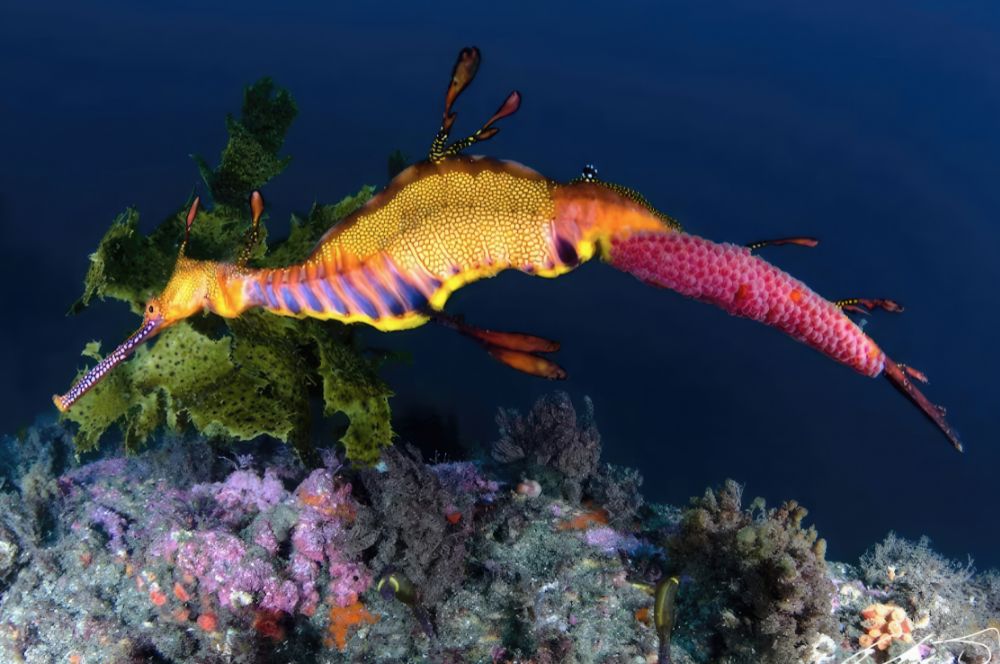
Weedy seadragons—also called common seadragons—are found along southern Australia's coast. They are relatives of seahorses and pipefishes, with long snouts and leaf-like appendages that help break up their outline among kelp, seagrass and sponge-covered reefs.
Individual seadragons can be recognised from visible characteristics such as body and facial markings. When divers submit clear photographs with accurate sighting details, researchers can compare encounters and build a longer-term picture of an animal's movements, survival and habitat use.
Photograph the animal—never pressure it
- Approach slowly and maintain excellent buoyancy.
- Take a clear side-on photograph when the animal naturally presents that angle.
- Record the date, location and any other details requested by the project.
- Never touch, reposition, corner or repeatedly chase the animal for a better image.
- If your presence changes its behaviour, give it more space.
How to become a marine citizen scientist
- Build strong diving foundations.Comfortable buoyancy, trim and situational awareness help you observe marine life without damaging habitat or becoming distracted from safe diving.
- Choose a project before the dive.Read its current instructions so you know which species, angles, measurements and location details are required.
- Practise useful underwater photography.A scientifically useful image is clear, correctly angled and linked to accurate sighting information. It does not need to be an award-winning photograph.
- Record details while they are fresh.Note the dive site, date, approximate time, depth and relevant behaviour. Submit only what you observed; do not guess missing information.
- Upload your evidence to the correct project.Send seadragon images to SeadragonSearch and grey nurse shark images to Spot a Shark, following each organisation's current submission process.
- Stay involved.Consistent observations are especially valuable. Join training, surveys or local research-diving groups when you are ready for more structured participation.

Why the data matters
Professional research teams cannot be everywhere on every day of the year. A large community of trained and careful observers can extend the geographic and seasonal reach of marine monitoring.
Photo identification can help reveal repeat sightings and movement of individual animals. Standardised surveys can show patterns in species occurrence and reef communities. Over time, these records give researchers evidence they can analyse alongside formal scientific surveys.
The contribution is also personal. Once you begin looking carefully, a familiar dive site becomes more interesting. You start noticing seasonal changes, animal behaviour and small details that are easy to swim past. Diving gains a purpose beyond simply completing the dive.

Ready to dive with more purpose?
Start by becoming a confident, observant diver—or keep your skills active through Sydney dives with the Abyss community. Then choose a project that matches the marine life you care about.
Thank you, Kris
Our sincere thanks to Kris O'Keeffe for sharing her experience, helping shape this article and continuing to support marine research and the Abyss diving community.

 Trusted by Sydney divers