
Dive Magnetic Island | Explore Queensland’s Underwater Haven
Peter Letts Jun 05, 2024
Townsville & Great Barrier Reef guide
Magnetic Island Diving & Snorkelling
A practical guide to Yunbenun’s fringing reefs—plus the separate boat trips to the SS Yongala and Museum of Underwater Art.
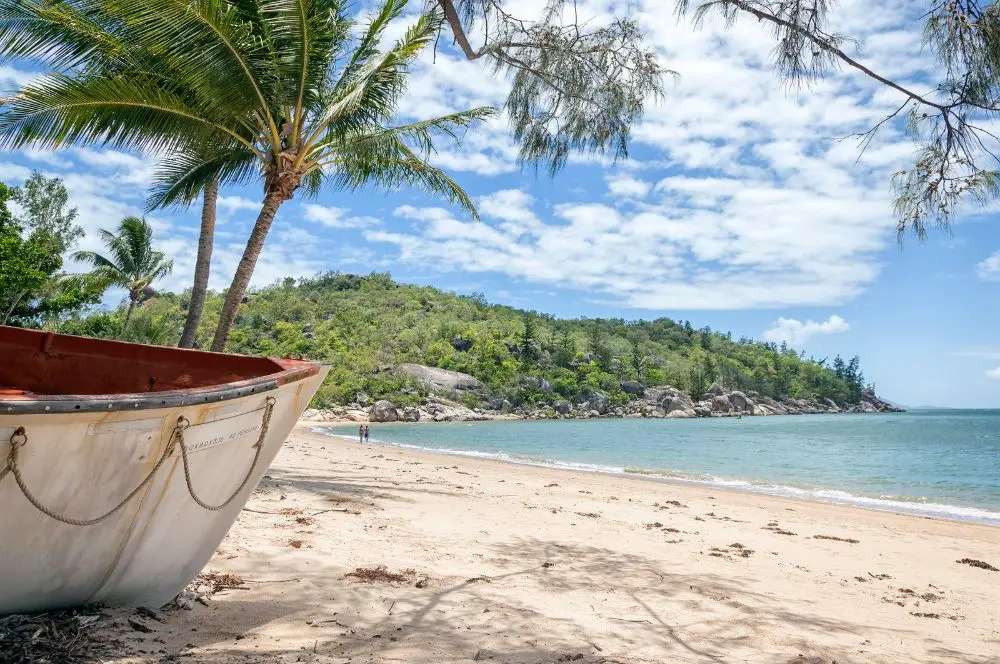
Magnetic Island—Yunbenun to its Traditional Custodians, the Wulgurukaba people—lies about 8km off Townsville in the Great Barrier Reef World Heritage Area. Its local draw is accessible fringing reef, sheltered-bay snorkelling and island life rather than a single marquee scuba site.
Important planning distinction: the SS Yongala wreck and the Museum of Underwater Art at John Brewer Reef are not beside Magnetic Island. Both are separate regional boat trips, and operators may depart from Townsville or elsewhere.
Start here
Three experiences, three different plans
Treat Magnetic Island as your tropical base, then decide whether your priority is easy local reef time, an outer-reef art experience or a deeper historic wreck dive.
Fringing reefs
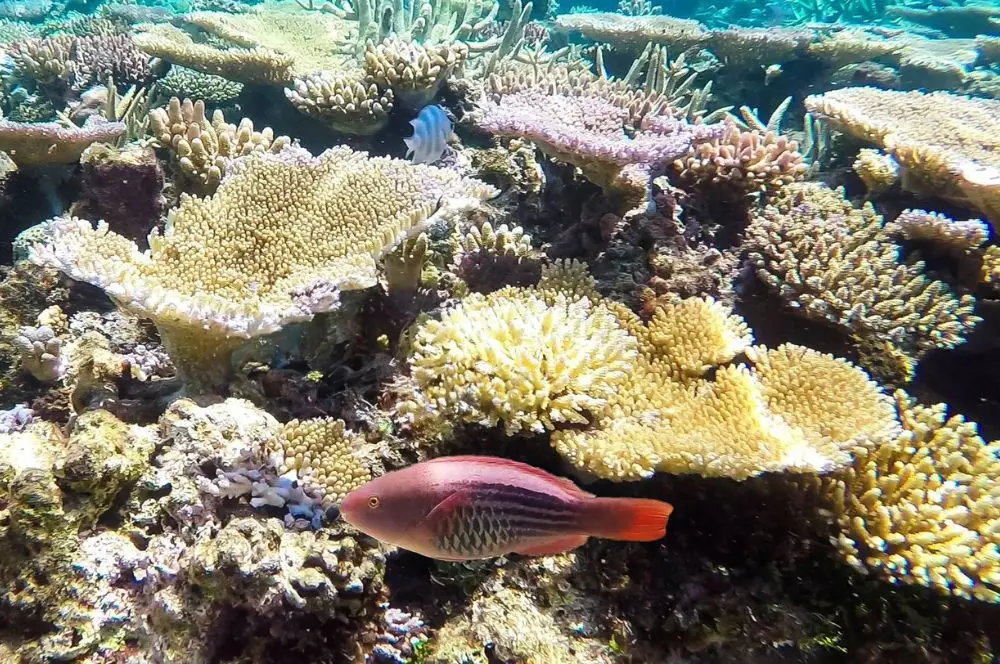
Shore snorkelling and locally available guided diving around bays such as Arthur, Florence, Nelly, Geoffrey and Picnic. The day’s wind, tide and visibility determine which bay works best.
MOUA at John Brewer Reef
The Coral Greenhouse and Ocean Sentinels sit on John Brewer Reef. MOUA identifies shallow 4–6m areas for snorkelling and deeper 12–18m sections for scuba diving.
SS Yongala
A protected historic wreck about 48 nautical miles south-east of Townsville. Its upper structure is around 16m deep and the site reaches roughly 30m, so current operator requirements matter.
Local water
Where to snorkel around Magnetic Island
Queensland Parks identifies the northern sides of Florence Bay and Arthur Bay as particularly good for snorkelling. Reefs in Nelly Bay, Geoffrey Bay and Picnic Bay can also suit snorkellers, especially in calm weather when visibility improves.
For a waymarked option, Nelly Bay and Geoffrey Bay have dedicated self-guided snorkel trails. Tourism Queensland describes Nelly Bay as the easier choice for beginners; Geoffrey Bay suits stronger swimmers and passes heritage remains including the Moltke wreck. Check the current trail markers and local conditions before setting out.
That is a useful shortlist, not a promise that every site will be suitable every day. Ask a local operator or lifeguard about wind, tide, current, access and recent visibility before entering.
- Choose a sandy entry and avoid exposed reef at low tide.
- Allow more time than expected for remote-bay access and the return walk.
- Look for coral, reef fish and turtles, but treat all wildlife sightings as a bonus.
Check Queensland Parks’ current swimming and snorkelling advice and Tourism Queensland’s current trail overview.
Beyond the reef
Make the island more than a dive stop
The Wulgurukaba people welcome visitors to Yunbenun. A respectful visit begins by recognising their continuing connection to Country and Sea Country.
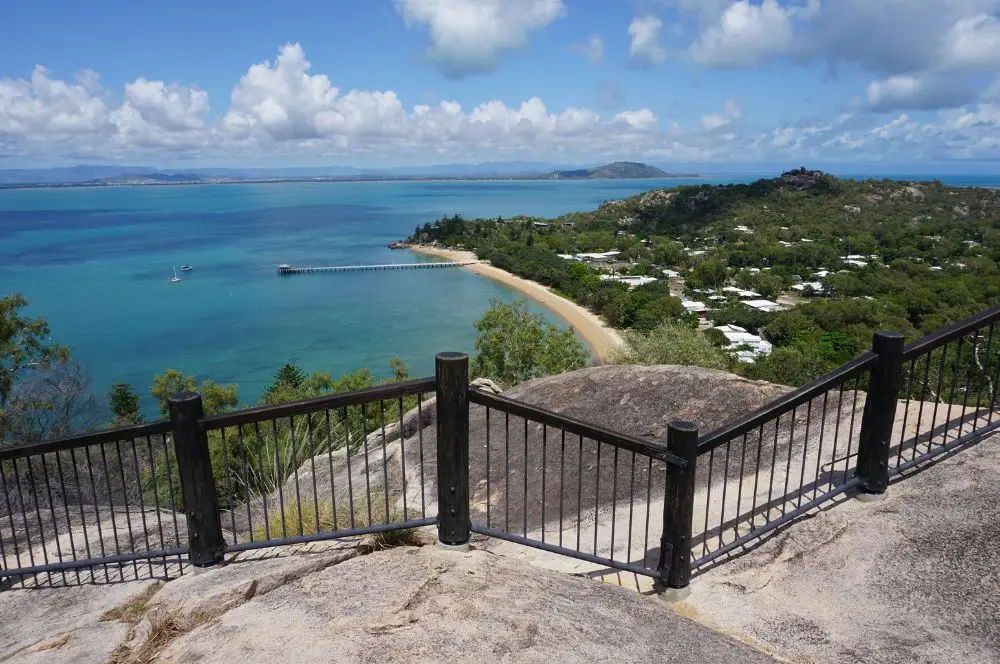
On land, Magnetic Island National Park offers a network of hilly walking tracks. The Forts area is known for Second World War remains, coastal views and the possibility of seeing koalas in the trees. Conditions can be hot and exposed, so carry water, choose a walk that suits the group and check park alerts before setting out.
- Never touch, feed or crowd koalas or other wildlife.
- Stay on formed tracks and be alert for snakes.
- Check current closures rather than relying on an old itinerary.
View the official Magnetic Island National Park guide and alerts.
Enter informed
Reef safety is part of the plan
Inshore tropical water can look inviting while still presenting current, visibility, heat and marine-stinger risks. Make the go/no-go decision from the conditions in front of you.
Before entering
- Check tide, wind, current and local warnings.
- Use a buddy and agree on an exit point.
- Practise in shallow, sandy water if inexperienced.
Marine stingers
- Stinging jellyfish may occur at any time and are more frequent in warmer months.
- A full-body Lycra or stinger suit adds protection.
- Stinger enclosures reduce risk but are not stinger-proof.
- Use designated swimming areas and follow Crocwise advice.
Protect the reef
- Do not touch, stand on or kick coral.
- Use public moorings and avoid anchoring on coral or seagrass.
- Follow Great Barrier Reef Marine Park zoning.

Regional add-on one
SS Yongala: exceptional, but not an island shore dive
The SS Yongala sank during cyclonic weather in March 1911. Today the largely intact wreck rests about 12 nautical miles east of Cape Bowling Green and 48 nautical miles south-east of Townsville. Its upper sections are around 16m below the surface, with a maximum site depth near 30m.
The combination of depth, open-water exposure and possible current means operators set experience and certification requirements for each departure. It is also a protected heritage site and a grave: look, photograph and leave everything undisturbed.
Read Abyss’s SS Yongala dive guide or consult the Australian Government shipwreck record.
Regional add-on two
MOUA: art and reef at John Brewer
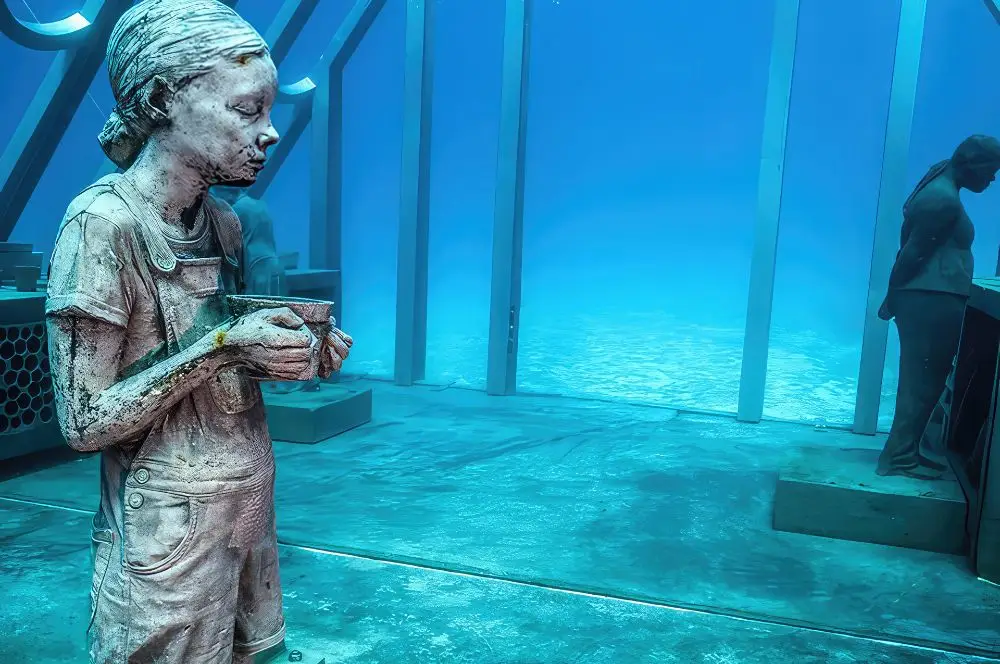
The Museum of Underwater Art’s Coral Greenhouse and Ocean Sentinels are underwater at John Brewer Reef, reached by boat from Townsville. The site is designed for both snorkellers and scuba divers, with shallow areas around 4–6m and deeper sections around 12–18m.
The Ocean Siren is different: it is a 4m illuminated sculpture on The Strand promenade in Townsville, looking towards Magnetic Island. It is not an underwater dive site.
- Book a licensed operator and confirm its departure point.
- Choose the snorkel or scuba option that matches your experience.
- Do not touch the artworks or surrounding coral.
Trip planning
Build a realistic Magnetic Island itinerary
Keep ferry travel, operator meeting points and weather alternatives in the same plan. Avoid locking in a bay or boat departure before checking the current details.
Choose your base
Stay on Magnetic Island for beaches, walking and flexible snorkelling, or in Townsville for easier access to mainland-based outer-reef and Yongala departures. Some itineraries combine both.
Match the ferry
SeaLink runs the fast passenger ferry to Nelly Bay. Magnetic Island Ferries carries vehicles and passengers. Timetables change, so use the live schedule.
Travelling with cylinders? SeaLink currently lists scuba tanks as prohibited dangerous goods, while Magnetic Island Ferries requires aqualung cylinders to be declared and expressly authorised. Arrange tanks through the dive operator or obtain written ferry approval before travel.
Confirm the operator
Ask exactly where the boat departs, when check-in closes, what certification and recent experience are required, what equipment is included and what happens if weather cancels the trip.
Leave a weather buffer
One spare day makes a North Queensland dive itinerary more resilient. Use it for a rescheduled boat, a protected-bay snorkel or a land day if conditions are unsuitable.
When to visit
There is no guaranteed “perfect” dive month
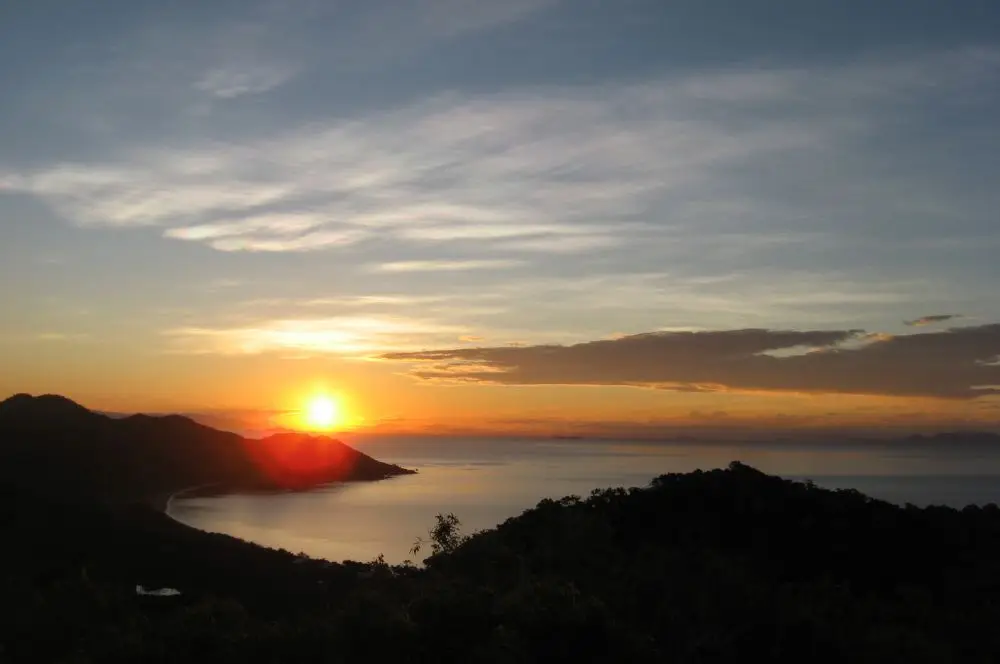
The cooler, generally drier months are often comfortable for walking and outdoor activities, while warmer months can bring more heat, humidity and marine-stinger concern. Underwater visibility around an inshore island still depends on recent wind, rain, tide and local conditions.
Choose dates around the experience you value most, then check current operator schedules and local advice. A full-body suit is sensible sun and stinger protection whenever you enter the water; dangerous stinging jellyfish may be present at any time.
- Plan at least two nights if reef time is a priority.
- Keep a walking, wildlife or Townsville option for rough-water days.
- Consider travel insurance that specifically covers your planned diving.
Quick answers
Magnetic Island diving FAQs
Can you scuba dive from Magnetic Island?
Local diving may be available through island or Townsville operators, but schedules and sites change with demand and conditions. Confirm the current departure point and trip format before booking accommodation or ferries. The island’s most consistently documented independent activity is fringing-reef snorkelling.
Is the SS Yongala at Magnetic Island?
No. The wreck is approximately 48 nautical miles south-east of Townsville and requires a dedicated boat trip. Operators may depart from the Townsville region or from Ayr/Alva Beach, so read the exact listing rather than assuming an island pickup.
Is the Museum of Underwater Art at Magnetic Island?
No. The underwater Coral Greenhouse and Ocean Sentinels are at John Brewer Reef, reached by boat from Townsville. Ocean Siren is the on-land sculpture at The Strand in Townsville.
Which bays are best for snorkelling?
Queensland Parks particularly identifies the northern sides of Florence and Arthur bays. Nelly, Geoffrey and Picnic bays may also suit snorkelling in calm weather. The safest and clearest option can change daily with tide, wind and visibility.
Do I need a car on Magnetic Island?
Not necessarily. Passenger ferries arrive at Nelly Bay and local buses connect the main settlements and bays. A vehicle can add flexibility for a multi-day stay, but access restrictions, road conditions and parking should be checked before relying on it for remote beaches.
What is the best time of year to visit for diving?
May to November is generally the drier, milder part of the year and often the easiest period for combining water activities with walking. It does not guarantee calm water or clear visibility: wind, tide, recent rain and the operator’s assessment still determine the day’s diving.
When is marine-stinger season?
Do not treat stingers as a risk confined to fixed dates. Queensland Parks says dangerous stinging jellyfish may occur at any time and are more frequent in warmer months. Check local advice and wear suitable protective clothing.
Plan the next dive well
Explore Australian dive travel with Abyss
Compare destinations and trip styles, then confirm the live itinerary, diver prerequisites and inclusions before committing to flights or ferries.
Information checked 25 August 2026. Wildlife, visibility, weather and trip operation are never guaranteed.

 Trusted by Sydney divers