
Senior Scuba Diving: Top Tips For Ageless Underwater Adventures
Peter Letts Dec 17, 2023
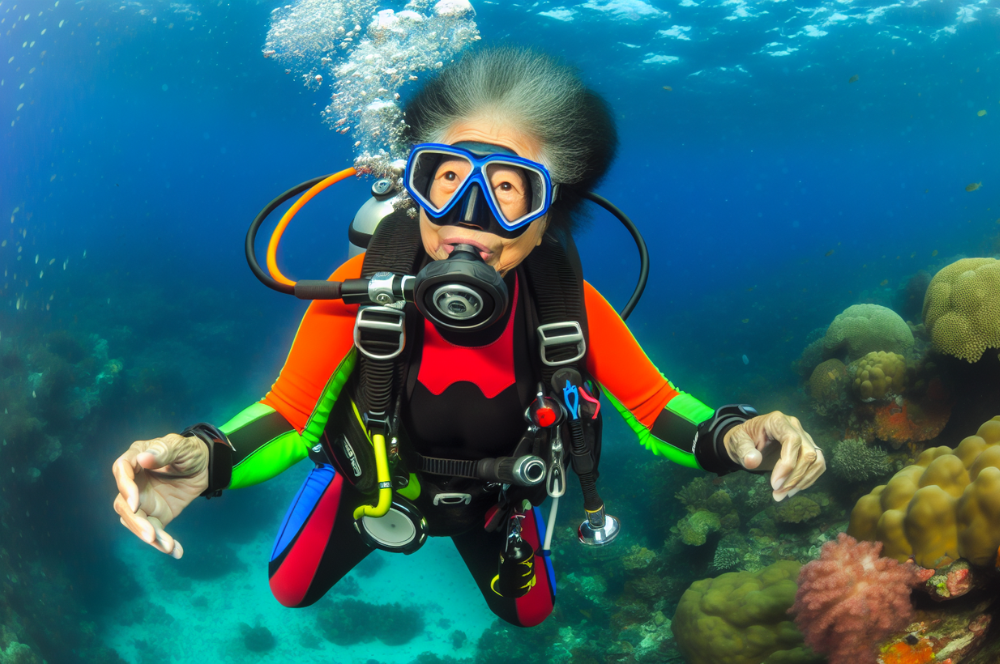
Practical guide for older and returning divers There is no standard upper age limit for recreational scuba diving. What matters is your current health, fitness, skills, recent experience and whether the planned dive suits your abilities. Many people keep diving well into later life, but good preparation matters more than chasing difficult conditions or ambitious depths. Older divers are not one group. Strength, cardiovascular fitness, balance, flexibility, eyesight, hearing, temperature tolerance and recovery time vary widely at every age. The useful question is not “Am I too old?” but “Am I ready for this particular dive today?” For a fuller discussion, read whether you are too old to learn to dive. Think through the complete dive: carrying equipment, the entry, a possible surface swim, current, temperature and the exit. You should also be able to respond to a reasonably foreseeable problem. A relaxed reef dive and a long cold-water shore dive can place very different demands on the same diver. Do not wait until the morning of a trip to discuss a new diagnosis, unexplained breathlessness, chest discomfort, dizziness, fainting, reduced exercise tolerance or a medication change. An instructor can explain course requirements, but medical fitness decisions belong with an appropriately qualified doctor. In Australia, the South Pacific Underwater Medicine Society (SPUMS) recommends cardiovascular-focused assessment from age 45, repeated at intervals of no more than five years and sooner when health changes warrant it. See our fitness-to-dive medical guide. Regular aerobic activity, strength work, balance and mobility all help. Train for the diving you intend to do, including walking in gear, swimming at the surface and using a ladder where relevant. If you are starting a new exercise program or have health concerns, ask your healthcare professional what is appropriate. A recreational certification does not expire, but buoyancy, mask skills, emergency procedures and equipment setup can become rusty. Take a scuba refresher course when your knowledge or confidence needs rebuilding, or when the operator's recency requirements call for it. Start with a depth, current, temperature, visibility and entry that leave a comfortable reserve. Check the live listing and weather rather than relying on a site's reputation. It is good diving—not failure—to change the site, shorten the dive or sit one out. A boat may reduce the walk and gear carry, while vessel motion and ladders may add different challenges. A shore dive may be shallow yet involve rocks, stairs or a long surface swim. Ask exactly how you will enter, exit and handle equipment before booking. Wear exposure protection suited to Sydney's water temperature and your personal comfort. Cold can increase workload and impair dexterity. Leave enough time to rest, eat and rehydrate between dives, and do not force a second dive if you are unusually tired or chilled. Choose a mask that seals comfortably, fins that suit your legs and boots, and a computer whose display you can read in dim water. Practise operating every control while wearing gloves if you use them. Familiar, correctly fitted and well-maintained dive gear is more valuable than novelty alone. Agree on pace, route, gas checks, turn pressure, lost-buddy procedure and reasons to end the dive. If you want help lifting a cylinder, putting on fins or boarding the boat, arrange it beforehand. A good buddy match is about compatible goals, communication and capability—not age. Remain well within your training and computer limits, control the ascent, make the planned safety stop and allow sensible surface intervals. Avoid stacking unnecessary depth, exertion, cold and fatigue. These choices can reduce decompression stress, but no profile can guarantee that decompression sickness will not occur. There is no single “senior scuba setup.” The best equipment is the setup you can operate, read, carry and control reliably. Test equipment in a pool or easy site before taking it into more demanding conditions. Vision needs deserve particular attention. A correctly fitted mask may accept stock corrective lenses, custom prescription lenses or stick-on readers, depending on your prescription and the mask. Start by learning how to choose a properly fitted dive mask. For propulsion, compare fins that match your diving rather than buying a specific model because it was labelled “best for seniors.” The Avelo Dive System is a current alternative equipment configuration that changes how buoyancy and weighting are managed and can reduce some of the weight carried on land. It requires relevant training and is not automatically safer or suitable for every older diver. Compare its fit, controls, availability, service support and use at your planned destination with a familiar conventional setup. “Easy” is not a permanent label attached to a dive site. Swell, current, visibility, tides, surface conditions and the planned route can change the workload. Ask about the whole experience, not only the maximum depth. When you book, share your certification, number of logged dives, last dive, comfort level and any assistance you would like. Review the current listing and check the Sydney Dive Calendar for a suitable depth and activity. The final decision remains yours: every diver should be willing to call a dive before or during it. Regular, appropriately challenging dives are often easier than returning to the water only for an ambitious annual holiday. The Abyss Dive Club can help local divers meet buddies, stay connected and build a consistent diving routine. Continuing education can be useful when it addresses a real goal—better buoyancy, navigation, rescue readiness or knowledge of a new system. A new certification should never be used to paper over weak core skills or a medical concern. Practise fundamentals in controlled conditions and progress when they feel automatic again. Learn the core knowledge and skills with an instructor, then progress through suitable pool and ocean training. Review your knowledge, practise core skills in the pool and add an ocean dive if that suits your return. Match the next dive to your qualification, recent experience, confidence, goals and today's conditions. No standard upper age limit applies to recreational scuba diving. Suitability depends on health, fitness, cognition, mobility, current skills and the demands of the planned dive. Training-agency, operator, insurer and destination requirements may still apply. Every diver should complete the required screening honestly. A doctor familiar with diving medicine should assess you when the questionnaire directs it, after a significant health change, or whenever you are concerned about symptoms, conditions or medication. The appropriate review interval is individual. PADI recreational certifications do not expire because of time or age. Skills and confidence can fade, however, and a dive operator may set recency requirements for a particular activity. A refresher is a sensible step when you are rusty or returning after a break. Take a refresher when you cannot confidently assemble and check equipment, plan the dive, control buoyancy, clear a mask, recover a regulator or respond to common problems. Time away matters, but your actual comfort and the demands of the next dive matter more than a single universal cutoff. Sometimes. A boat can reduce the walk and avoid a rocky shore entry, but motion, limited deck space and climbing a ladder can add effort. Compare the exact entry, exit, equipment handling and sea conditions rather than assuming one option is always easier. Prioritise a well-fitting mask, suitable exposure protection, fins matched to your legs and boots, a readable computer and a configuration you can operate easily. A wheeled bag, shorter gear carry or arranged assistance may make a bigger difference than replacing your entire setup. No. Enriched air nitrox can reduce nitrogen exposure compared with air for the same depth and time, but it introduces oxygen-exposure limits. A trained diver must analyse the gas, label the cylinder, set the computer correctly and remain within the maximum operating depth. It is not a guarantee against decompression sickness or fatigue. The best next dive is one that leaves enough capacity to enjoy the marine life, handle a change and finish comfortably. If your skills have become rusty, rebuild them before adding depth, current or difficult entries.Senior Scuba Diving: 10 Practical Tips for Safer, More Comfortable Dives
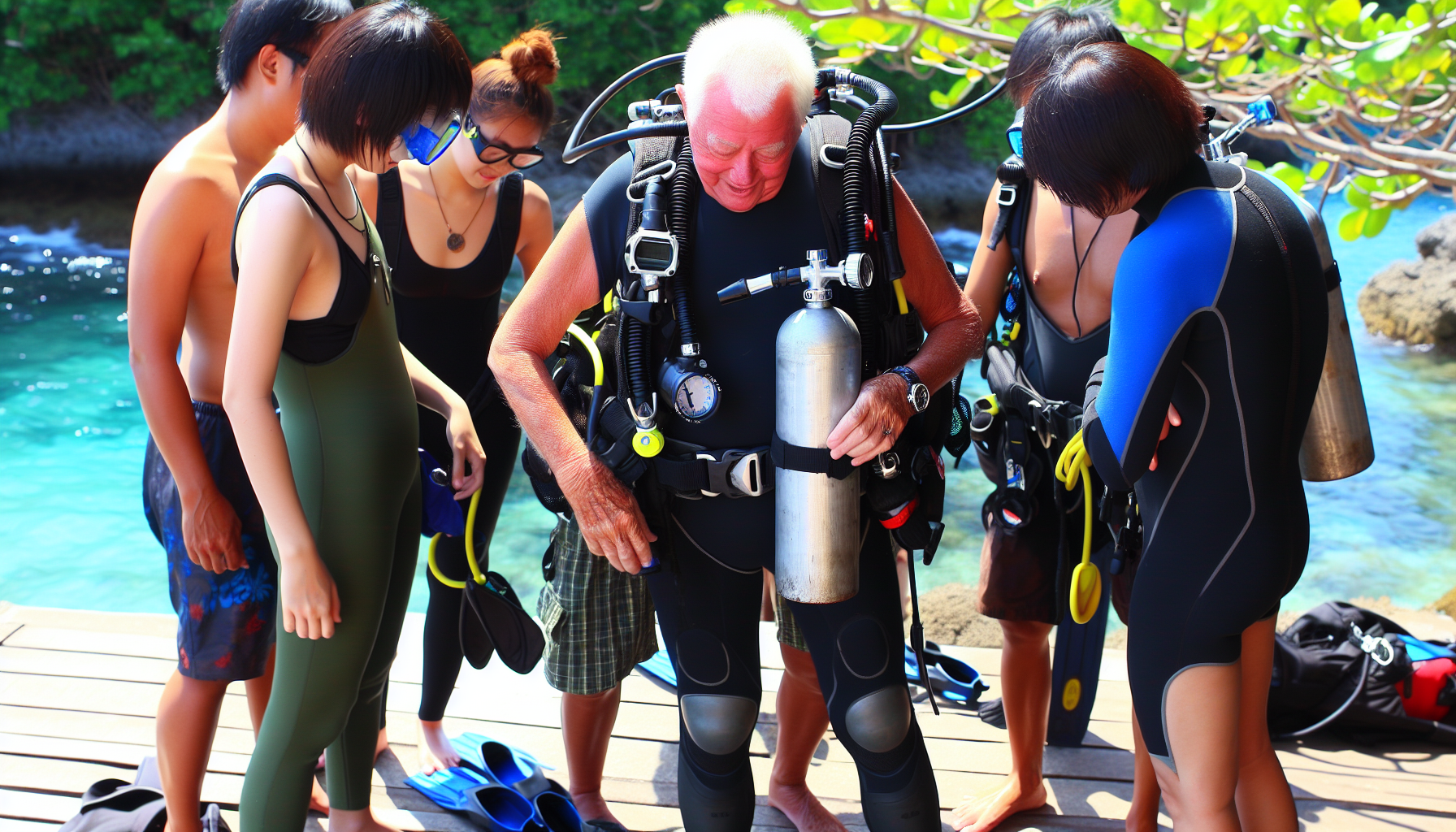
10 Senior Scuba Diving Tips That Make a Real Difference
Assess capability, not age
Review health changes early
Maintain useful dive fitness
Refresh skills after a break
Choose manageable conditions
Plan the entry and exit
Stay warm and allow recovery time
Prioritise fit, familiarity and readability
Brief your buddy and crew
Build conservative margins
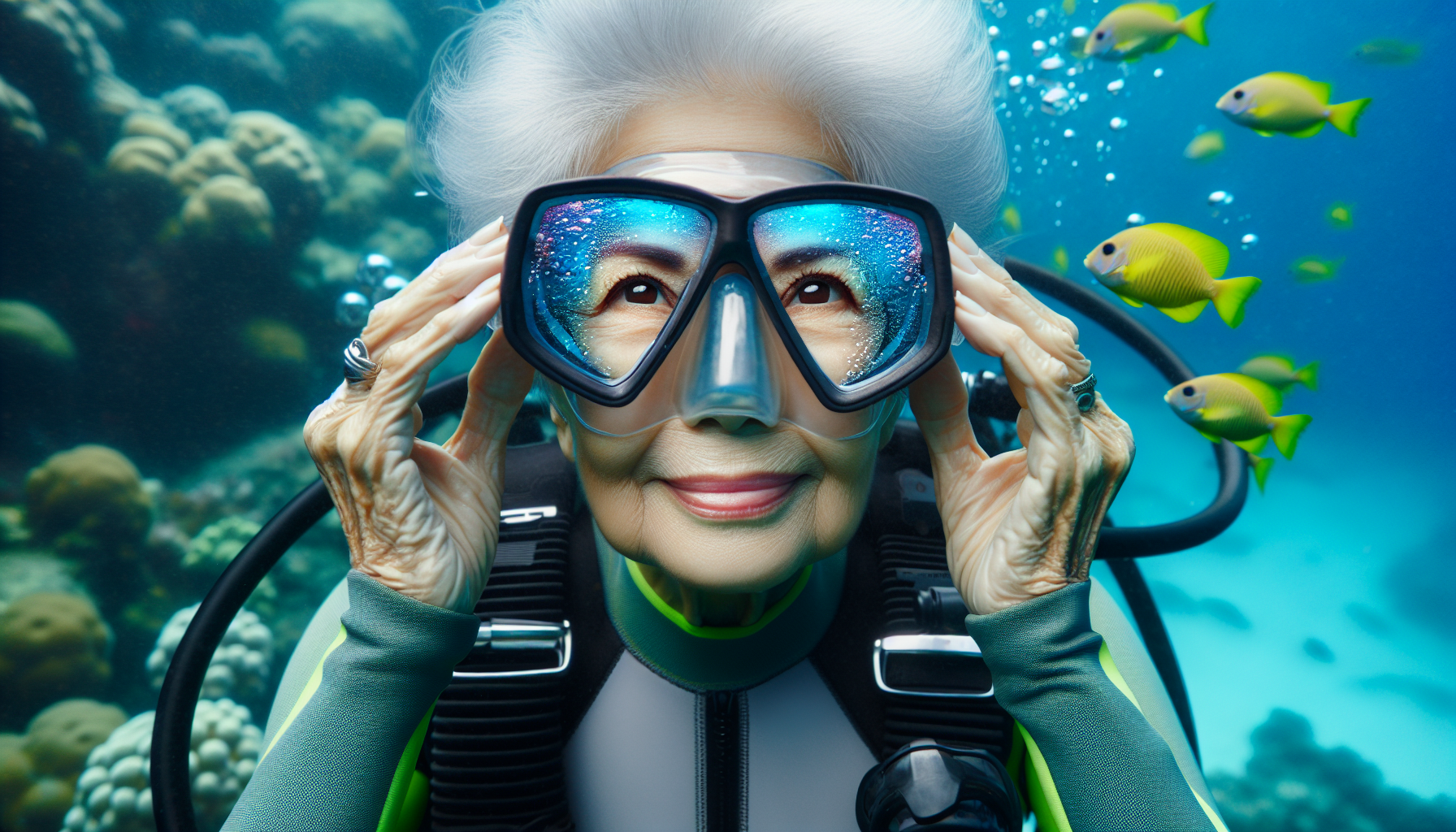
Gear Choices for Comfort Without the Hype
Common challenge
Practical adaptation
What to check
Difficulty reading gauges
Large, high-contrast computer display; prescription mask lenses where needed
Can you read depth, time, no-stop information and gas data quickly in low light?
Leg fatigue or joint discomfort
Well-fitted fins matched to your kick style, strength and exposure boots
Try before buying; a softer or split fin is not automatically right for every diver or current.
Heavy gear on land
Wheeled bag, shorter carry, staged setup or crew assistance
Confirm what help is available and where the equipment must be moved.
Cold or reduced dexterity
Suitable exposure protection and controls that are easy to operate
Fit, weighting and access to releases, inflator, clips and alternate air source.
What about the Avelo Dive System?
Choose the Dive That Suits You Today
Option
Can reduce
Can add
Guided Sydney shore dives
Uncertainty about navigation, local conditions and finding a buddy
Gear carries, rocks, surf, stairs or a longer surface swim depending on the site
Sydney boat diving
Long walks in equipment and difficult rocky entries
Vessel motion, gearing up at sea and climbing a ladder after the dive
Private guided dive
Pressure to match a larger group's pace and objectives
Cost; conditions and physical demands still need to suit the diver
Keep Skills Current Through Community
Pause and seek advice when something has changed
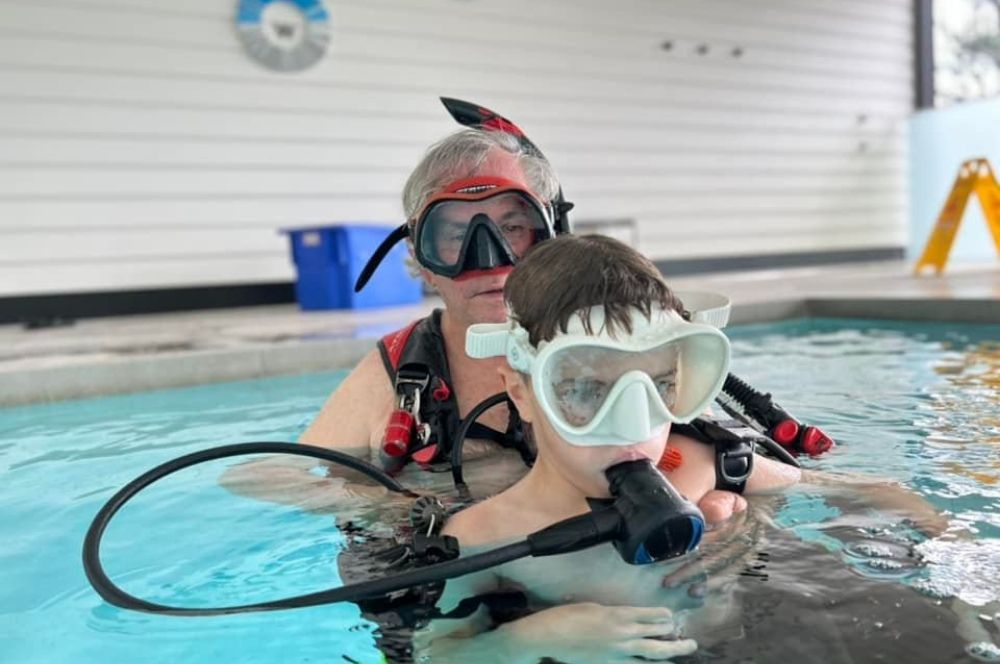
Choose Your Next Step
New to scuba
Returning after a break
Certified and current
Senior Scuba Diving FAQs
Is there a maximum age for recreational scuba diving?
Should an older scuba diver have a diving medical?
Do scuba certifications expire as you get older?
When should a senior diver take a refresher course?
Is boat diving easier than shore diving for older divers?
What equipment can make scuba diving more comfortable?
Does nitrox automatically make diving safer for older divers?
Return to the Water at the Right Pace

 Trusted by Sydney divers