
Understanding Diving Conditions
Peter Letts May 17, 2020
Sydney Dive Conditions: Local Guide to Choosing the Right Site, Every Time
Key Takeaways
-
Small southerly or easterly swell, light winds and diving near slack tide usually create the best Sydney shore diving conditions.
-
Surface conditions and underwater conditions are often very different. Calm-looking water can still have strong surge, poor visibility or current underwater.
-
Sydney diving is highly site-dependent. Bare Island, Shelly Beach, Chowder Bay, Ship Rock, Oak Park, Kurnell and Cape Solander all respond differently to swell, wind and tides.
-
Protected sites like Shelly Beach, Chowder Bay and Bare Island can still offer excellent diving when exposed ocean sites are too rough.
-
Conditions can change quickly during the day with tide movement, sea breezes and shifting swell direction. Always inspect the site before entering.
-
Good Sydney divers think in terms of matching the right site to the right diver and conditions rather than simply trying to get in the water.
-
Sydney offers year-round diving with seasonal patterns: generally clearest water from July to October, warmest water in late summer, and marine life including weedy seadragons, blue gropers, Port Jackson sharks and sponge gardens.
Why Sydney Dive Conditions Matter
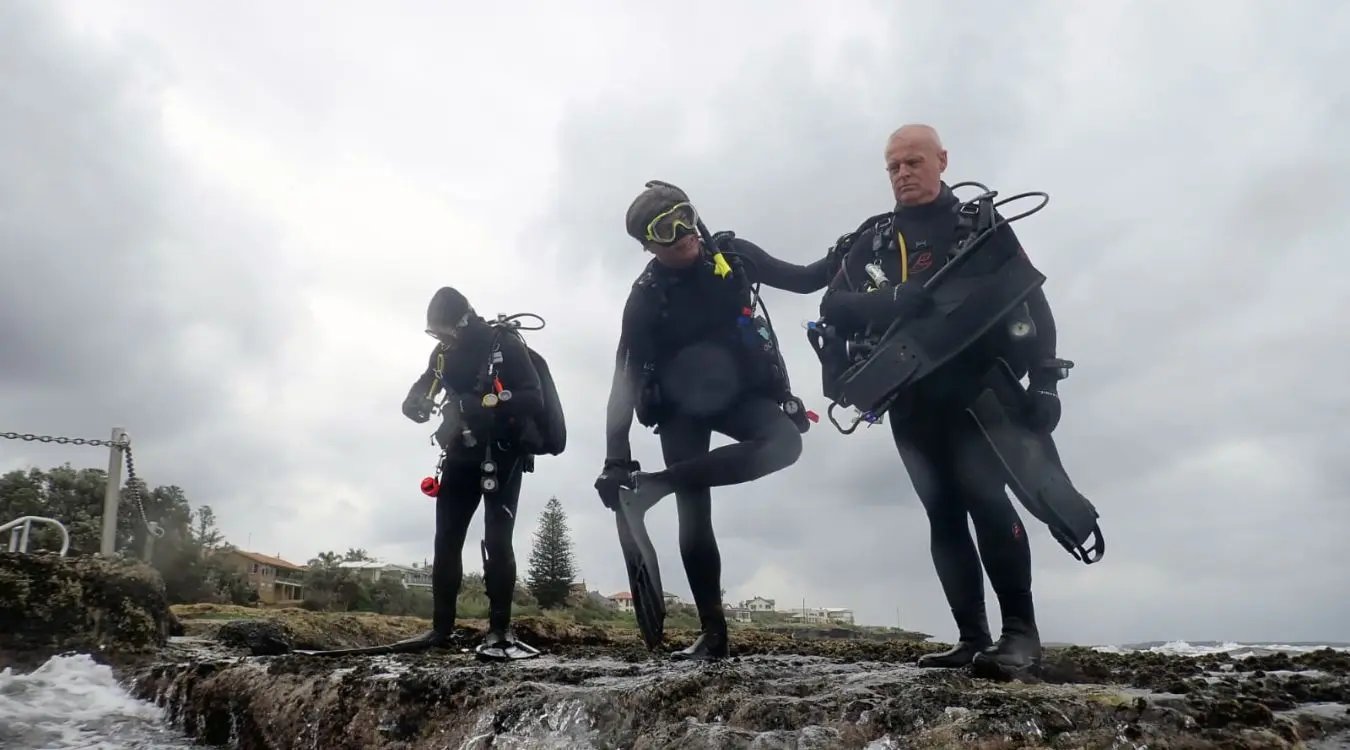
Sydney is predominantly a shore-diving city. Unlike tropical destinations where you step off a boat into calm water, most Sydney diving involves negotiating rock platforms, surge zones and variable entries that respond dramatically to swell, wind and tide. Two dive sites only 15–20 minutes apart can dive completely differently on the same day.
Consider Bare Island on a light SE swell day: calm entries, manageable surge, beginner-friendly conditions. Now picture Oak Park or Cape Solander in the same swell-waves breaking over entries, strong water movement, conditions suited only to experienced divers. This is the reality of diving in Sydney.
Conditions also shift during the day. Morning calm can give way to afternoon sea breezes. Tide changes alter entry depths and currents. Swell direction can wrap differently as the day progresses.
Sydney’s major dive regions include Bare Island off La Perouse Point, Shelly Beach in Cabbage Tree Bay, Chowder Bay, the Kurnell sites (The Steps, Monument, and The Leap), Ship Rock, Oak Park and Cape Solander. Each responds uniquely to conditions.
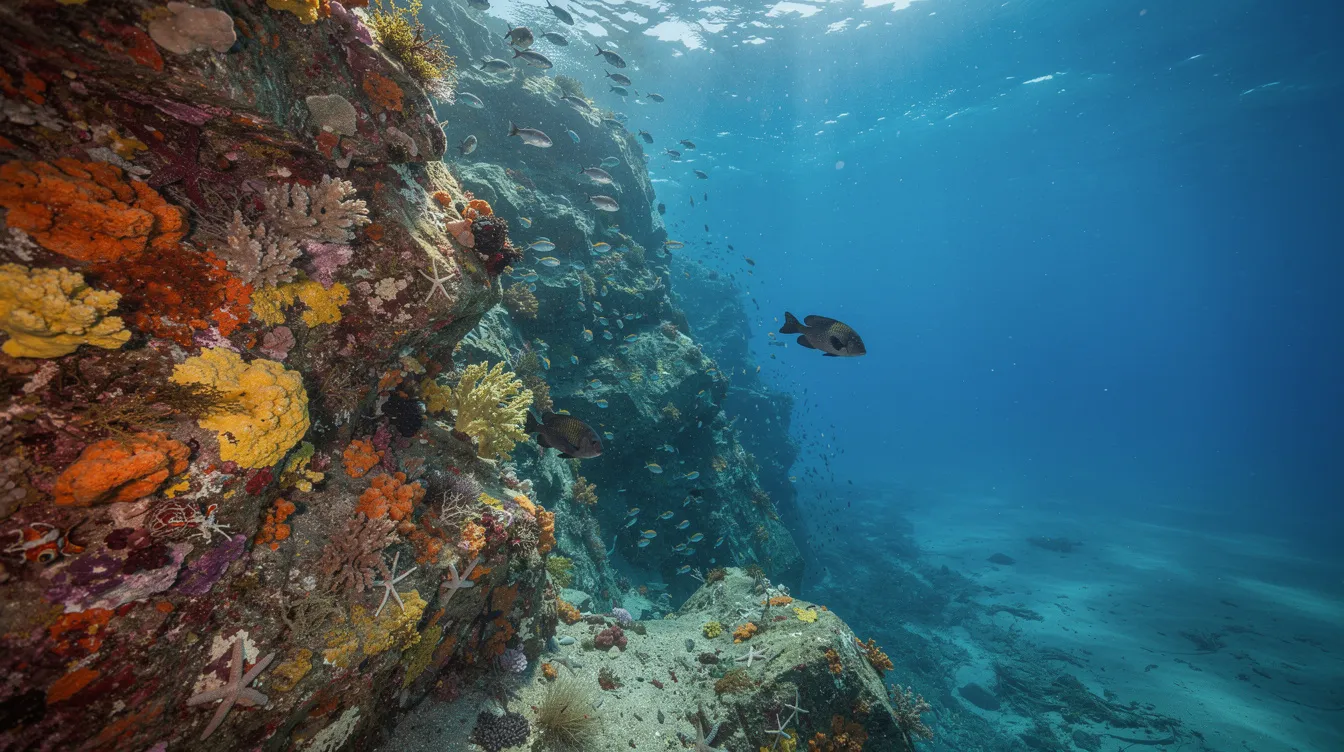
Local Sydney divers often select sites based on both conditions and marine life objectives. Kurnell is known as “The Home of the Weedy Seadragon,” where divers can easily spot weedy seadragons along with pygmy pipefish and Port Jackson sharks. The Leap offers spectacular sponge gardens. Oak Park delivers bull rays and sting rays. Chowder Bay rewards with macro life. Kurnell Steps and Monument offer colourful underwater scenery due to shallow depths and abundant light.
This guide is written by experienced local Sydney dive professionals who make site decisions every week. It complements the live Sydney dive conditions page by teaching you how to interpret what you see rather than simply reading forecast apps.
How Local Sydney Divers Read Conditions Differently
Experienced Sydney divers care more about swell direction, swell period and entry conditions than raw swell height alone. A 1.2m swell with a 7-second period may be manageable, while a 1m swell with a 12-second period creates powerful underwater surge that moves divers around on walls and sponge gardens.
Protected harbour and bay diving is one of Sydney’s biggest advantages. When exposed ocean sites are blown out, divers can often relocate to Chowder Bay, the sheltered side of Bare Island, or Cabbage Tree Bay and still enjoy excellent diving.
Flexibility is key to enjoyable Sydney diving. Local divers constantly adapt plans based on tide timing, visibility, swell wrapping, diver experience and marine life goals.
Surface Conditions vs Underwater Conditions
Surface conditions include swell height and direction, whitewater, chop, entry and exit difficulty, and surface swim comfort. Underwater conditions cover surge, current, visibility, temperature, navigation difficulty and marine life behaviour.
These layers often tell different stories. Shelly Beach may appear calm on the surface while the outer reef experiences strong surge in long-period east swell. Chowder Bay may feel choppy from wind while remaining calm underwater.
Surge is back-and-forth water movement, strongest in shallow water and around rocky reefs and sponge gardens. Long-period swell amplifies it significantly. Current is horizontal water movement, stronger around headlands, channels and during larger tidal ranges. The drift from The Leap toward The Steps in Kurnell is a classic example.
Many divers focus too heavily on “flat seas” and forget to assess underwater visibility and surge. Always consider both layers.
Understanding Swell, Wind and Tides Around Sydney
Sydney’s coast is exposed to southerly swells, and divers should always check conditions before heading out. Swell direction matters site by site: small S or SE swell often suits Shelly Beach and Cabbage Tree Bay, while moderate NE swell can impact Bare Island more heavily. Oak Park and Cape Solander become more exposed in stronger southerly swell.
Swell period significantly affects diving conditions. A 12–14 second swell creates stronger underwater surge and more powerful wave energy. A 7–8 second swell is usually easier for shore dives even at similar heights.
Wind mainly affects surface comfort and chop. Westerlies can flatten east-facing sites. Strong NE sea breezes often roughen afternoon exits-a classic southerly wind typically brings cleaner conditions to many sites.
For offshore boat diving, wind strength and sea state matter more than for shore diving. Deeper wreck dives and shark encounters may remain diveable underwater while surface conditions become uncomfortable.
Tide stage changes everything. Rising versus falling tide affects both entry depth and current. Many Sydney sites are best around high slack tide when clearer ocean water floods in.
How Tides Affect Specific Sydney Dive Sites
High tide periods generally offer better visibility in Sydney waters, as incoming oceanic water carries less sediment and particulate matter than outgoing coastal water. Slack water conditions provide the safest diving environment with minimal currents and settled particulate matter, ideal for underwater photography and marine life observation.
Bare Island: Moderate tides are manageable, but strong spring tides increase current around the point. Many divers prefer around high tide for easier entries and improved visibility. Depths reach up to 12 metres around the island, with soft corals, nudibranchs and pygmy pipefish throughout.
Ship Rock: Requires careful timing around high slack tide. Ship Rock diving reaches its best state 10 minutes before Fort Denison high tide. Strong tidal flow and lower visibility occur outside this window.
Shelly Beach and Cabbage Tree Bay: High tide often improves visibility. Cabbage Tree Bay features dive sites like Fairy Bower and Shelly Beach, ideal for both day and night dives, known for diverse marine life including Port Jackson sharks and giant cuttlefish.
Chowder Bay: Usually beginner-friendly with visibility and mild current affected by tides. The optimal entry time for many harbour sites occurs approximately 2.5 hours after Fort Denison high tide, when clearer offshore water has moved into coastal dive sites.
Kurnell: The Steps, Monument and The Leap each suit different conditions and experience levels. Low tide can expose reef hazards while high tide improves entries at The Steps.
Oak Park: Often best around low tide when the rock platform entry is more accessible.
Visibility, Water Temperatures and Seasonal Patterns
Visibility in Sydney waters averages between 6 to 8 metres across most shore sites, but can reach up to 15 metres at prime locations on clearer days. Heavy rainfall can degrade water quality and visibility, dropping it below 2 metres in affected areas shortly after rain. Swell, recent rain, wind direction, tide timing and plankton blooms all affect clarity.
The best visibility for diving in Sydney usually occurs in winter (June–August), often exceeding 20 metres. Sites like Shelly Beach, the Bare Island east side and Ship Rock deliver reliable visibility in good conditions.
Summer (December–February): Water temperatures reach 23–25°C with excellent visibility, making it ideal for marine encounters. A 5mm wetsuit is typically adequate.
Autumn (March–May): Excellent visibility and fewer crowds, with water temperatures remaining comfortably warm at 20–23°C. Many experienced divers consider this prime diving season.
Winter (June–August): Water temperatures drop to 14–18°C, requiring divers to use 7mm wetsuits or drysuits along with a hood, gloves and boots for adequate thermal protection. Winter provides unique opportunities including encounters with migrating humpback whales.
Spring (September–November): Water temperatures gradually warm from 18–22°C with increased marine life activity, making it favourable for divers of all skill levels.
Matching Dive Sites to Diver Experience
Sydney offers everything from easy beginner dives to advanced and technical diving. Conditions, recent experience and certification level should determine site selection each day.
Beginners: Shelly Beach is known as a popular beginner dive site in Sydney, featuring a marine reserve with diverse marine life. Chowder Bay offers sheltered conditions and fascinating macro subjects. Bare Island in small swell provides gentle terrain and reliable marine life encounters. These sites offer shallow depths, easier navigation, predictable marine life and manageable entries.
Confident Recreational Divers: Oak Park, Ship Rock, The Steps and Monument at Kurnell suit divers comfortable with moderate current, navigation challenges, surge management and variable conditions. Good buoyancy control is essential.
Advanced and Technical Divers: The Leap, Cape Solander and offshore boat dives demand deeper profiles, variable visibility, stronger surge and current, and advanced gas planning. These sites reward experience with spectacular sponge gardens and encounters with grey nurse sharks and dusky whaler sharks.
The same site can become dramatically more difficult when conditions deteriorate. Bare Island goes from beginner-friendly to intermediate-only in building swell. Oak Park becomes expert-only when waves wrap in.
Marine Life and Site Character in Different Conditions
Conditions influence safety, comfort and marine life experiences. Common marine life encountered while diving in Sydney includes Port Jackson sharks, wobbegong sharks, giant cuttlefish, eastern blue groper, sting rays and weedy seadragons.
Bare Island and The Steps: Sponge gardens, soft corals, nudibranchs, pygmy pipefish and seahorses thrive in these rich environments.
Shelly Beach and Cabbage Tree Bay: Blue gropers, rays, wobbegongs, schooling fish and weedy seadragons make these sites consistently rewarding.
Chowder Bay: Renowned for muck diving, where divers can encounter unique macro critters such as frogfish, seahorses, decorator crabs, nudibranchs and octopus. This makes it a popular site for underwater photography.
Visibility and surge change the feel of each site. Rays feed more actively after swell stirs up the bottom. Seadragons are easier to spot in gentle surge along kelp forests. Macro diving remains rewarding even in lower visibility at small caves and sheltered overhangs.
Beginner, Advanced and Technical Mindsets
A simple local decision-making process works for all levels: check swell, wind and tide, review the live dive conditions page, choose 2–3 candidate sites, then inspect conditions in person before committing.
Assess swell direction, swell period, wind at dive time, tide stage, recent rain and recent visibility reports from other divers. From shore, observe wave sets, whitewater, waves wrapping into bays and how other divers are handling entries.
Beginner mindset: Conservative site selection. Avoid strong surge and current. Choose simple entries. Be willing to cancel or relocate without pressure.
Recreational diver mindset: Navigation planning. Adequate gas reserves. Identify backup exits. Manage surge and current through route selection.
Technical diver mindset: Account for deeper temperature changes and thermoclines. Consider current during decompression. Plan for ascent-line movement in swell. Deep dives require precise gas planning.
Always use conservative turn pressures and establish clear abort procedures with your buddy.
When to Cancel or Change Sites
Experienced local divers regularly cancel or relocate dives when conditions don’t align. Cancelling is good judgement, not failure.
Clear no-go triggers include: waves breaking across entries or exits, strong uncontrolled surge, dirty runoff water after heavy rain, and conditions beyond the least experienced diver in the group. Outdoor and marine hazards in Sydney include wobbegong sharks and potential swell-induced currents which divers should be aware of.
When exposed ocean sites like Oak Park or The Leap are too rough, move to protected harbour dives. Shelly Beach, Chowder Bay and the appropriate side of Bare Island can still deliver excellent diving.
Conditions can change rapidly during the day. Always compare forecast to actual conditions after each dive to improve future judgement.
Final Practical Advice for Diving in Sydney
Every dive is optional. Conditions drive the plan. Match sites to the least experienced diver in your group. Sydney diving rewards flexibility and local knowledge.
Changing from an exposed site to a protected macro dive can still create an excellent day underwater. Every major Sydney dive site has ideal conditions-Bare Island, Shelly Beach, Chowder Bay, Kurnell, Ship Rock and Oak Park each shine when conditions align.
Guided shore and boat dives are commonly offered at dive centres in Sydney for those wanting local expertise.
Check the live Sydney dive conditions page before every dive. Contact Abyss for personalised recommendations based on current conditions and your certification level.
FAQ
What affects Sydney dive conditions the most?
The main factors are swell height and direction, swell period, wind strength and direction, tide timing and recent rainfall. How exposed a particular dive site is to open ocean swell matters significantly-Cape Solander faces full exposure while Chowder Bay sits protected in the harbour. Visibility is especially influenced by recent rain and wind-driven surface layers, while safety at shore entries depends strongly on swell and tide.
What is the best visibility season for Sydney diving?
While good visibility can occur year-round, the most consistently clear water usually arrives in the cooler months (July–October) when plankton levels are lower and conditions are more stable. It’s common to see 15–20 metres visibility on better winter and early autumn days at sites like The Leap, Bare Island and Ship Rock, provided swell and rain have been mild.
How do tides affect shore diving around Sydney?
Tides change both water depth at entries and the strength and direction of current, especially around points and channels like Kurnell and Ship Rock. Many sites are best around slack high tide, when currents ease and clearer ocean water floods in. However, divers should check specific recommendations for each site and always confirm conditions on the day.
What swell and wind conditions are best for Sydney shore dives?
Small swell around 0.5–1 metre with a shorter period and light winds is usually ideal for most divers. Preferred swell directions vary by site-small S or SE swell suits Shelly Beach and Cabbage Tree Bay, while moderate NE swell often favours Kurnell sites. Long-period swell, even when not high, creates strong surge on walls and sponge gardens, so factor in both height and period.
How can I tell if a Sydney dive site is safe when I arrive?
Watch several wave sets. Look for waves breaking over the entry and exit. Note how far whitewater pushes up the rocks. Observe how other divers are coping with conditions. Walk away if anything looks marginal for your experience, regardless of what forecasts or online reports said. Contact local dive professionals for advice if uncertain.

 Trusted by Sydney divers