
Scuba Diving Sydney | The Ultimate Guide
Peter Letts Oct 05, 2022

Local guide · Updated July 2026
Scuba Diving in Sydney: A Local Planning Guide
Choose the right season, site and style of dive for Sydney's temperate reefs, iconic marine life and year-round underwater adventures.
Scuba diving in Sydney is not a tropical-resort experience transplanted beside a city. It is distinctly local: rocky reefs, kelp, sponge gardens, sand channels, protected bays and offshore sites where the conditions can change the best choice from one day to the next. This guide explains what Sydney diving is really like, when to go, how shore and boat dives differ, and how to choose an experience that fits your certification and recent diving.
- Season
- Enjoyable year-round with suitable exposure protection
- Water temperature
- Generally about 15–25°C across the year
- Typical visibility
- Often 5–10 m, but highly condition-dependent
Is Sydney good for scuba diving?
Yes—especially for divers who enjoy marine life, varied underwater terrain and the convenience of choosing between shore and boat access. Sydney Harbour, Botany Bay, Port Hacking, the Eastern Suburbs and the open coast each respond differently to wind, swell and tide, so local divers can often choose a site that suits the day.
Hundreds of fish species have been recorded in Sydney Harbour, while the wider coastline adds kelp habitat, colourful sponge communities, offshore reefs and shark habitat. A single dive may be about a blue groper and cuttlefish; another may be spent searching slowly for seahorses, nudibranchs or a camouflaged weedy seadragon.
- Shore access: regular local diving without needing a boat for every outing.
- Offshore variety: boat access to Magic Point, deeper reefs, walls and wrecks.
- Temperate biodiversity: kelp, sponges and species very different from tropical reef diving.
- Year-round options: warmer summer water and often clearer winter days, with no universally perfect month.

Sydney diving conditions and the best time to dive
Sydney can be dived throughout the year, but conditions are site-specific. Water generally ranges from the mid-teens in the cooler months to the low-to-mid 20s in summer. Visibility is commonly around 5–10 m, with clearer days above 20 m and poor conditions below 2 m after heavy rain or unsettled weather.
Swell direction, wind, tide, runoff and current can matter more than the month. Winter can produce excellent visibility but colder water; summer is warmer, yet rainfall, algae or swell can reduce clarity. The practical answer is to choose the style of dive you want, then check the daily Sydney dive conditions before choosing the site.
| Season | General water range | What divers often value | What to check |
|---|---|---|---|
| Summer Dec–Mar |
About 21–25°C | Warmer water and longer daylight | Rainfall, runoff, algae, swell and busy access points |
| Autumn Apr–Jun |
About 18–24°C | A gradual cooling period with varied marine life | Changing water temperature and exposure protection |
| Winter Jul–Sep |
About 17–21°C | Cooler water and the possibility of clearer days | Cold tolerance, wind, swell and shorter daylight |
| Spring Oct–Nov |
About 17–22°C | Seasonal change and increasing warmth | Variable transition conditions and site exposure |
These ranges are for general planning, not a forecast. Check the live report and your booking confirmation before travelling.
Where to scuba dive in Sydney
Sydney has too many worthwhile sites for one article to list well. Use the Sydney dive-sites guide to compare locations and maps; the examples below show how the main types of local diving differ.
Sydney Shore Dives
For local site knowledge, a planned route and a group to dive with, explore Sydney on a guided shore dive.
Shore diving is central to Sydney's dive culture. It can be economical and flexible, but “shore dive” does not automatically mean easy. Rock entries, long gear carries, swell, tide, current, boat traffic and the exit can make two sites with similar depths feel completely different.
Oak Park, Cronulla
A shallow local reef with sponge life, boulders and swim-through terrain. Its manageable depth can suit Open Water divers when the entry, exit and swell are appropriate.
Kurnell
The Steps, The Leap and Voodoo offer very different routes—from patient marine-life searches to current-affected drift dives. Match the specific site to your training and recent experience.
Bare Island
Known for sponge gardens, overhangs and small marine life, with multiple routes and tide considerations. Normal access is currently affected by essential bridge repairs.
Shelly Beach & Gordon's Bay
These northern and eastern Sydney options can provide sheltered profiles when conditions suit. Their popularity does not remove the need to assess entry, visibility, traffic and diver comfort.

Sydney Boat Dives
To compare live dates, depths and certification requirements, see upcoming Sydney boat diving charters.
Boat diving opens sites that cannot be reached safely from shore and removes many rocky entries and long gear carries. Most local Abyss departures use Fisherman's Wharf at Sans Souci Park, with free all-day parking close to the boat, but the individual listing and confirmation are always the final authority.
Magic Point
Sydney's signature Grey Nurse Shark site, generally around 15–24 m. The planned profile determines the required certification, and the sharks are wild, so sightings cannot be guaranteed.
Henry Head
A shallower recreational option, often around 8–12 m, with colourful sponges, ledges, gullies and fish life. It can suit a first boat dive when the route and conditions match the diver.
Offshore reefs & wrecks
Deeper reefs, walls and wrecks extend Sydney diving for experienced recreational and technical divers. Dives beyond 18 m require the qualification and recent experience stated in the listing.
Shore dive or boat dive?
| Decision | Shore diving | Boat diving |
|---|---|---|
| Access | Beach, steps or rock platform; the gear carry and exit matter | Platform and ladder access; offshore travel and seasickness matter |
| Site choice | Harbour, bay and coastal reefs reached from land | Magic Point, offshore reefs, walls and wrecks |
| Day structure | Often more flexible, subject to tide, access and the group plan | Fixed departure; most daytime recreational outings are two dives |
| Best fit | Regular local diving, marine-life searches and building site knowledge | Offshore access, easier water entry and a wider range of advanced profiles |
Neither format is inherently better. Many Sydney divers use shore dives for regular experience and boat dives for specific sites or special encounters. The full boat-versus-shore comparison can help if you are still deciding.
What marine life can you see while diving in Sydney?
Sydney's temperate reefs can reveal eastern blue gropers, weedy seadragons, giant cuttlefish, octopus, nudibranchs, rays, wobbegongs and Port Jackson sharks. Offshore sites may also provide Grey Nurse Shark encounters. What appears varies with habitat, season and conditions, so treat every sighting as an opportunity rather than a promise.

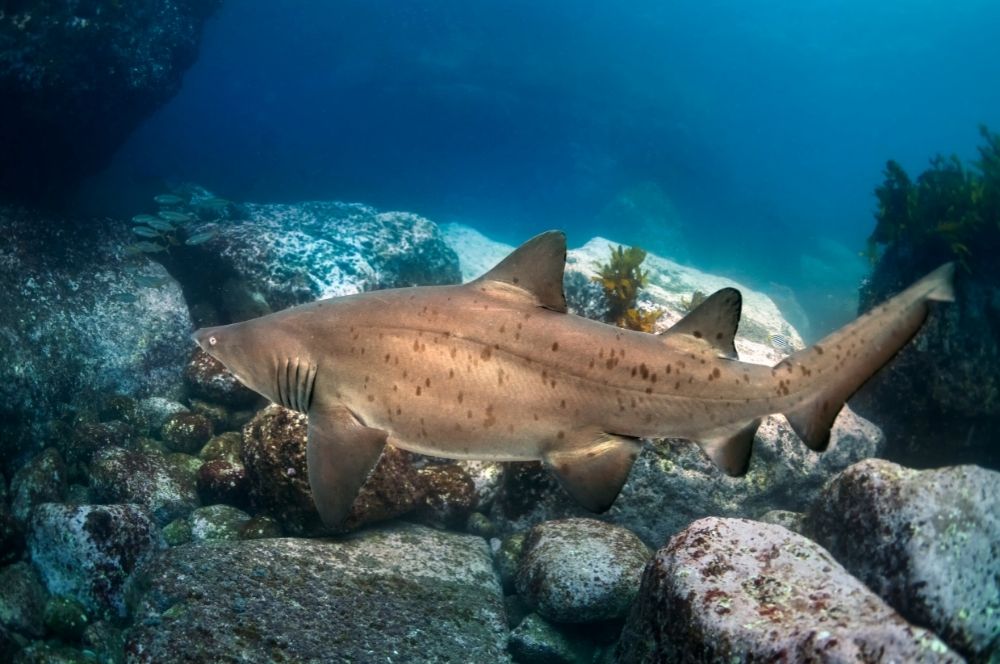

Move slowly, maintain neutral buoyancy, keep clear of the reef and never touch, feed, chase or block wildlife. At Grey Nurse Shark critical habitat, follow the site briefing and the NSW code of conduct. A patient diver with good trim usually sees more—and leaves less impact—than someone rushing from one “must-see” animal to the next.
Can beginners scuba dive in Sydney?
Yes, but “beginner” can describe two different people. Someone who has never dived needs formal entry-level training. A newly certified diver needs an appropriate site, current conditions and enough support to keep building skills without being pushed beyond training or comfort.
Never certified
Start with a recognised Open Water course that combines eLearning, controlled-water skills and four ocean dives. Learn to scuba dive in Sydney.
Newly certified
Choose shallow profiles and manageable entries while your skills are fresh. Use the beginner dive calendar to find suitable next dives.
Returning after a break
A guided dive does not replace skill retraining. If setup, buoyancy or emergency skills feel uncertain, book a scuba refresher first.
Bring physical or digital proof of certification from your training agency. The booking listing determines the minimum certification, depth, recent-experience and equipment requirements; ask the operator before booking if your qualification is unclear.
Gear, logistics and the cost of diving Sydney
Exposure protection
Many local divers use a 5–7 mm wetsuit, with a hood or gloves for warmth when needed. Your cold tolerance, dive length and season matter more than copying another diver's setup.
Shore-diving setup
Open-heel fins and sturdy boots help with suitable shore entries. A well-fitted mask, dive computer and streamlined equipment make the day more comfortable.
Boat safety equipment
A personal dive computer, SMB and audible signalling device are required on Abyss boat dives. Confirm tanks, weights and rental equipment before the departure day.
Hiring equipment
If you do not own a complete local setup, arrange scuba gear rental before the dive and confirm cylinder and regulator compatibility.
How much does scuba diving in Sydney cost?
There is no useful single price. A certified diver doing a local shore dive with personal equipment may only need air or cylinders, while rental equipment, private guiding and boat access add different costs. Courses are priced separately because they include training and certification. Use the live shore and boat listings for current prices and inclusions instead of relying on an old package estimate.
How to plan a safer Sydney dive
- Check current conditions. Review swell direction, wind, tide, visibility, recent rainfall and the marine forecast—not just the air temperature.
- Match the site to the diver. Consider certification, maximum depth, recent experience, entry, exit, current, navigation and cold tolerance.
- Read the live listing. Meeting point, site, tanks, equipment, prerequisites and inclusions can vary. The confirmation is the final authority.
- Dive with an appropriate buddy plan. Agree on route, gas, separation procedure, signals and the point where you will end the dive.
- Be willing to change the plan. Sydney conditions can make a famous site the wrong choice. Moving, postponing or cancelling is a sound diving decision.
See what scuba diving in Sydney looks like
Local conditions and marine life change, but this video gives a feel for the terrain, colour and variety that make Sydney diving different from a tropical holiday reef.
Scuba diving Sydney FAQs
Is Sydney good for scuba diving?
Yes. Sydney offers accessible shore reefs, harbour and bay diving, offshore boat sites and distinctive temperate marine life. The best option depends on current conditions and the diver's certification and recent experience.
What is the best month to scuba dive in Sydney?
There is no universally best month. Summer usually offers warmer water, while winter can deliver clearer days. Swell, wind, tide, rainfall and site exposure often matter more than the month, so check the daily conditions report.
What water temperature and visibility should I expect?
Water generally ranges from about 15°C in the cooler period to the low-to-mid 20s in summer. Visibility is often around 5–10 m, but can exceed 20 m on clear days or fall below 2 m after heavy rain or unsettled conditions.
Can newly certified divers join Sydney dives?
Yes, when the site, depth, entry and conditions suit. Read the listing's certification and recent-experience requirements. If core skills feel rusty, complete a refresher before joining a guided dive.
Is shore diving or boat diving better in Sydney?
Shore diving is excellent for regular local experience and marine-life searches. Boat diving provides access to Magic Point, offshore reefs, walls and wrecks, often with easier water entry. Many divers use both.
Are sharks or weedy seadragons guaranteed?
No. Sydney wildlife is wild and every sighting depends on habitat, season and conditions. Choose a suitable site, move slowly and follow the guide's briefing without touching or chasing animals.
What divers say about diving with Abyss
Recent customer experiences provide useful context on the team, local diving and the support available to new, returning and experienced divers.
Choose your next Sydney diving step
If you are not certified, begin with structured training. If you are already certified, choose a dive that matches your confidence, qualification and the current conditions—then let the live listing confirm the practical details.

 Trusted by Sydney divers