
Maximum Warmth
Instructor Advice
Diver-Tested Brands
Sydney Dive Ready
Expert Fit In-Store
Drysuits for Scuba Diving
Why Drysuit Fit and Advice Really Matter
A drysuit is one of the best upgrades a diver can make if they want to stay warmer, dive more comfortably and enjoy longer dive days in cooler conditions. Unlike a wetsuit, which lets a thin layer of water in and relies on your body to warm it, a drysuit is designed to keep water out. Your warmth then comes from the air space inside the suit and the correct thermal undergarments worn underneath.
Fit is critical. A drysuit that is too small can restrict movement, make valve control harder and reduce comfort. A suit that is too large can create excess air movement, awkward buoyancy changes and drag in the water. That is why professional fitting and instructor advice are so important. Our team can help you understand drysuit sizing, seals, boots, valves, undersuits and the practical differences between drysuit styles.
 Learn to Dive in a Drysuit
  Visit the Dive Shop
  Check Sydney Conditions
 Not sure where to start? Learn how to dive in a drysuit, visit our Sydney dive centre for expert advice, or check the current Sydney dive conditions before your next dive.
For divers who feel the cold, dive frequently, or want to keep diving comfortably through Sydney’s cooler months, a drysuit can be a game-changing piece of scuba equipment. It helps reduce heat loss, keeps you more comfortable between dives and can make repetitive diving much more enjoyable.
Drysuits work by creating a waterproof barrier between you and the surrounding water. Latex, silicone or neoprene seals at the neck and wrists help keep water out, while the suit’s inflator and exhaust valves allow you to manage the air space inside the suit during descent, the dive and ascent.
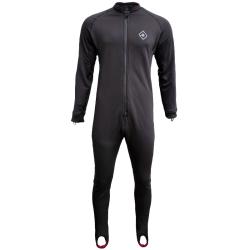
The right drysuit setup depends on your diving style, comfort preferences and the conditions you plan to dive in. Some divers prefer the flexibility and travel-friendliness of membrane drysuits, while others prefer the feel and insulation of neoprene drysuits. Undergarments are also important because they provide much of the warmth inside the suit.
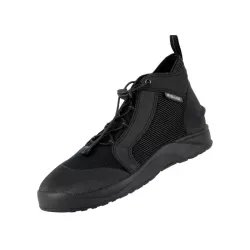
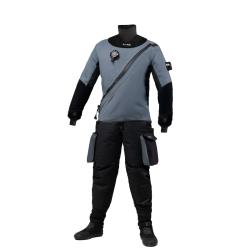
When choosing a drysuit, think about more than just the suit itself. You should also consider the type of wrist and neck seals, boot style, pocket layout, valve position, zip design and what undergarments you will wear underneath. A drysuit should be comfortable enough to move naturally, but fitted well enough to avoid unnecessary air movement and bulk.
If you are new to drysuit diving, we strongly recommend getting proper training before using one in open water. Drysuits add warmth and comfort, but they also introduce a new air space that affects buoyancy control. The PADI Dry Suit Diver course is designed to help you learn the skills needed to dive safely and confidently in a drysuit.
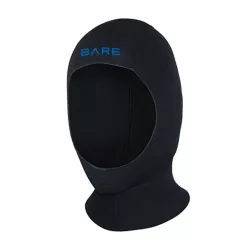
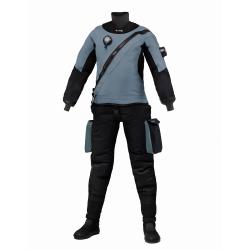
Ready to stay warmer and dive longer? Browse our range of diver-tested drysuits below or visit our Sydney dive centre to get expert advice from divers who understand local conditions.
Our Drysuit Range


 Trusted by Sydney divers